
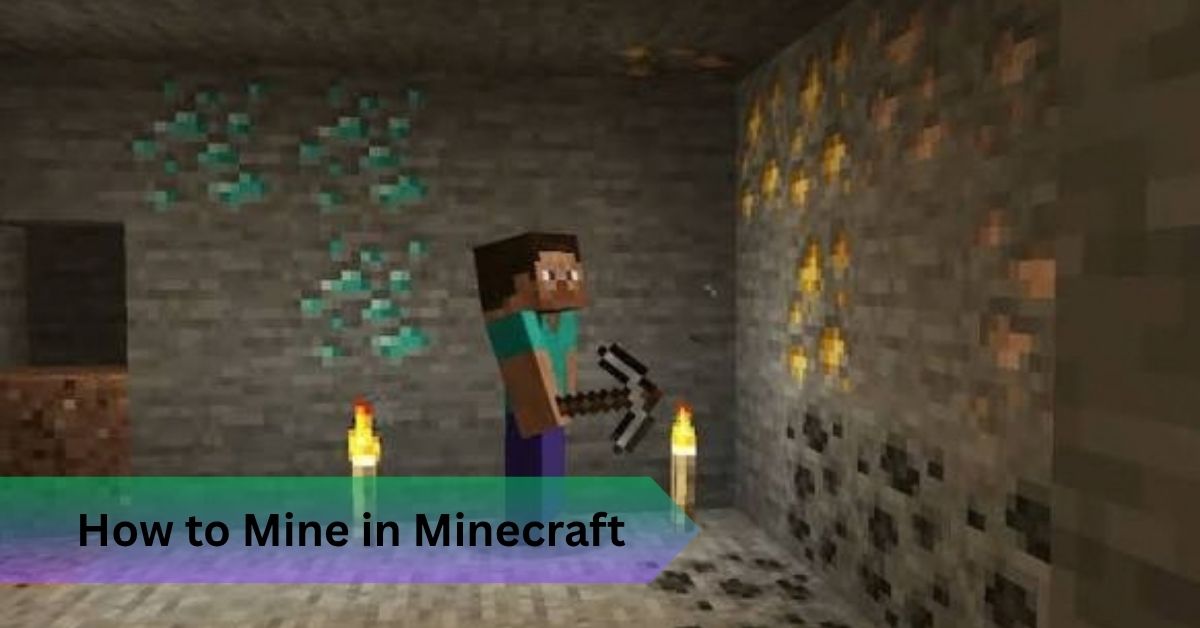
How to Mine in Minecraft: Quick Guide to Ores, Depth & Safety
Wondering how to mine in minecraft the right way instead of digging randomly and hoping for diamonds? The short answer, whether you’re figuring out how to mine minecraft on PC or how to mine on minecraft consoles, works the same everywhere: craft a pickaxe, dig to the correct depth for your target ore, use a planned pattern instead of random tunnels, and always carry torches, food, and a water bucket. Depth matters most, since ores like diamond and redstone only spawn in specific underground layers.
What Pickaxe Do You Need?
Every ore has a minimum pickaxe requirement. Wood breaks stone and coal. Stone unlocks iron and lapis. Iron is required for gold, redstone, diamond, and emerald, so upgrading as soon as you have iron ingots is worth doing immediately rather than waiting. Diamond pickaxes are needed for obsidian and Nether ancient debris, and Netherite pickaxes come from upgrading a diamond one at a smithing table rather than crafting from scratch.
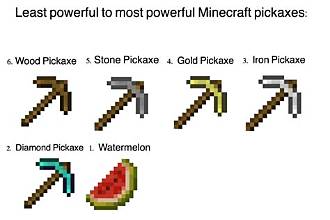
Durability matters too: iron lasts around 250 uses, diamond around 1561, and Netherite around 2031. Enchant with Efficiency for speed, Fortune for extra ore drops, and Unbreaking to stretch that durability further on long trips.
Best Y Levels for Every Ore
Since the Caves and Cliffs update, ore depth shifted significantly, so older advice is often outdated.
| Ore | Best Y Level | Notes |
| Coal | Around Y 96 | Also common near the surface |
| Iron | Y 232 or Y 16 | Two separate peaks |
| Copper | Around Y 48 | Common in dripstone caves |
| Gold | Around Y negative 16 | Also near Y 336 in badlands |
| Redstone | Around Y negative 59 | Increases near bedrock |
| Lapis Lazuli | Around Y 0 | Fairly consistent range |
| Diamond | Around Y negative 59 | Deepslate layer, near bedrock |
| Emerald | Mountain biomes only | Exposed on cliff faces |
Mining Methods That Actually Work
Branch mining runs a central tunnel with side branches spaced two blocks apart, exposing the most ore for the least wasted digging. It’s the most reliable way to mine efficiently at a specific depth in Minecraft.
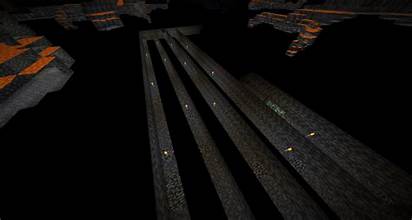
Cave mining follows natural cave systems, which already expose ore along the walls. It’s faster than digging from scratch but less predictable and often mixes in more hostile mobs.
Strip mining is a wider, flatter version of branch mining, useful once you’ve committed to clearing a whole layer methodically. Staircase mining descends gradually through an angled shaft rather than a straight drop, doubling as a safe path back up.
Whichever method you pick, mine outward from any exposed vein rather than stopping at the first visible block, since veins usually extend further than what’s initially shown.
How to Mine Faster in Minecraft
An Efficiency enchanted pickaxe cuts mining time dramatically, sometimes nearly halving the swings needed per block at higher levels. Fortune increases drops from coal, redstone, lapis, and diamonds, frequently turning one block into two or three items.
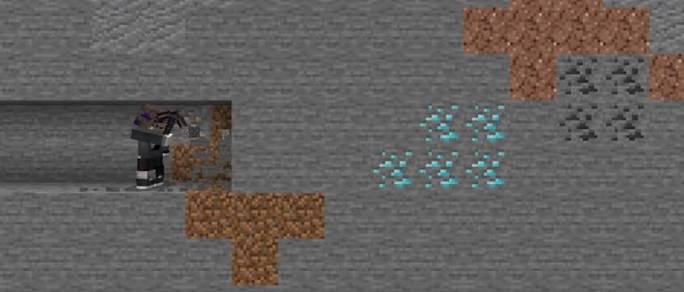
Beyond enchantments, a few habits speed things up:
- Sort your inventory before descending so food, torches, and blocks sit in consistent slots
- Set up a chest and furnace, or blast furnace, near your tunnel network instead of hauling everything back to base
- Skip mining plain stone that clearly has no ore in it, since every swing costs durability for nothing
- Retreat once your inventory is around seventy percent full or torches drop below a dozen, rather than pushing until you’re forced to leave anyway
Staying Safe Underground
Lava causes more lost trips than any mob. Break blocks carefully, and place a block immediately the moment lava becomes visible. Never mine straight down, since you risk dropping into lava or an open cavern blind, and never mine straight up, since gravel or sand can bury you instantly.
Follow your torch trail back rather than relying on memory, and note your X Y Z coordinates from the F3 screen before descending so you can find your entrance, a stronghold, or an abandoned mineshaft again later. In the deep dark biome specifically, move carefully and avoid triggering sculk shriekers, since noise draws the Warden’s attention fast.
A short safety checklist covers most of it: carry a water bucket, bring enough torches, avoid digging directly above or below yourself, retreat from lava instead of testing it, and keep an escape route in mind before pushing deeper. Hardcore Mode makes every one of these habits mandatory rather than optional, since there’s no respawn to fall back on.
Frequently Asked Questions
What is the best level for finding diamonds?
Around Y negative fifty nine, in the deepslate layer close to bedrock.
What pickaxe do you need to mine diamonds?
An iron pickaxe or better. A stone pickaxe won’t break diamond ore at all.
Is branch mining or cave mining better?
Branch mining wins for targeted, efficient ore hunting. Cave mining wins for speed and variety when you’re not chasing anything specific.
How do you avoid lava while mining?
Carry a water bucket, break blocks carefully instead of digging blindly, and place a block the instant lava comes into view.
Can you find every ore at the same mining level?
No. Different ores peak at different Y levels, whether you’re mining on Java, Bedrock, or how to mine in minecraft pc specifically, so depth always comes before technique.
Conclusion
Mining well comes down to three things: the right pickaxe for the ore you want, the correct Y level for that ore, and enough torches, food, and a water bucket to survive the trip. Branch mining at the correct depth, paired with Efficiency and Fortune enchantments, will consistently outperform random digging. Start with a stone or iron pickaxe, head down toward Y negative fifty nine for diamonds and redstone, and keep that water bucket within reach the entire time.
Recommended Articles
How Do You Jump in Minecraft? Distance, Height & Movement Guide
Minecraft Online: How to Play With Friends, Multiplayer Options & Safety Guide
What Do You Do in Minecraft? Your First Day Survival Guide






13 Comments