Video Game Blog: News, Reviews, Guides, and What to Play
Gaming moves fast. A patch drops on Tuesday, a mechanic gets nerfed on Wednesday, and by Friday half your Discord server has moved on to something new. Keeping up on your own is exhausting, and that is exactly the gap that good video game journalism fills for players who want honest, current information without wading through hype.
A solid video game blog does more than repeat press releases. It tests claims, plays the games before recommending them, and says plainly when something is not worth your money.
Quick Answer
Video game journalism is the ongoing reporting, reviewing, and analysis of games, hardware, and the industry around them. The best coverage combines tested gameplay experience with clear, separated opinion so readers can trust what they’re reading. If you want to find games worth your time, look for outlets that explain their testing process rather than just their final score.
What Is a Video Game Blog?
A video game blog sits between a fan community and a newsroom, written by people who actually play what they cover.

What Does a Video Game Blog Cover?
News, reviews, guides, previews, and opinion, plus the small but useful stuff like patch notes and pricing changes that bigger outlets often skip.
How Is a Gaming Blog Different From a Gaming News Site?
A news site reports what happened. A blog adds a voice and often a personal testing angle. That distinction matters more than most readers realize.
Who Reads Video Game Blogs?
Casual players deciding what to buy this weekend, and competitive players hunting patch level detail.
Why Gaming Blogs Still Matter to Players
Trailers can oversell a game. A writer who finished the campaign gives you context marketing never will.
What Kind of Content Can You Find on a Video Game Blog?
The fastest moving category: announcements, layoffs, and platform updates. Good outlets separate confirmed fact from rumor.
Game Reviews and First Impressions
Reviews come after real playtime. First impressions are closer to launch, often from a limited build, so treat them as a snapshot, not a verdict.
Gaming Guides and Tutorials
Guides answer “how do I actually do this,” and the best ones get updated when a patch changes the mechanics they describe.
Upcoming Game Release Information
Reliable top gaming sites flag whether a date is officially confirmed or just rumored.
Interviews, Previews, and Developer Insights
Interviews explain the reasoning behind design choices; previews are one writer’s early read on an unfinished game.
Gaming Features, Opinions, and Community Stories
This is where personality lives, and often the most fun section to read even when you disagree with it.
How Do You Choose a Game Worth Playing?
Check the Genre and Gameplay Style
A high score means little if the genre does not suit you.
Look at Reviews Without Relying on One Opinion
Read two or three reviews from different video game publications. Aggregated opinion catches blind spots a single reviewer misses.
Compare Single Player and Multiplayer Experiences
Check whether the mode you actually want is the one the game was built around.
Consider Platform Compatibility
Cross play, save transfers, and performance still vary a lot between platforms, so confirm before buying.
Check Price, Updates, and Additional Content
Some titles grow through free updates, others lean on paid expansions almost immediately.
Match the Game to Your Available Time
A 60-hour epic is a poor fit for someone with 30 minutes a night.
How to Get More Value From Reviews and Guides
Specifics: hours played, platform tested, and any mention of bugs. Vague praise is a warning sign.

How to Use Gaming Guides Without Spoiling the Experience
Search for the exact problem you’re stuck on instead of reading a full walkthrough top to bottom.
When Previews Are More Useful Than Reviews
Before launch, when a review does not exist yet, but treat preview impressions as promising, not confirmed.
Why Release Date Information Can Change
Delays and certification issues push dates around. A date without an official source is closer to a guess than a fact.
How to Separate Facts From Opinions
Facts are things like frame rate or file size. Opinions are whether the story is good, and reliable writers flag which one they’re giving you.
What Are the Biggest Gaming Trends to Watch?
New franchise entries still dominate sales charts, but live service titles built around seasons now take a large share of playtime, according to platform usage data outlets like Steam publish regularly.

Co op design keeps growing as players choose friends over strangers. Open world games remain popular, though players are increasingly vocal about “map bloat,” where size gets prioritized over content. Remasters keep returning since they carry less financial risk than a new concept, and cross play between PC and console is closer to standard than exception now.
How Can You Find the Best Games for Your Play Style?
Narrative single player titles suit players who want a focused, self paced experience. Co op games work best when built around shared objectives, not just shared servers.
Competitive titles reward active matchmaking populations, so check server health first. Story-driven fans should prioritize titles reviewers specifically praise for writing. Open world fans should weigh content density over raw map size, and anyone with short sessions should look for games designed around 15 to 30 minute rounds.
What Makes Gaming Content Reliable and Useful?
Reliable outlets label opinion as opinion, cite where a date or spec came from, and are written by people who’ve actually put hours into the game.

There is no substitute for a writer who has actually played what they’re covering. Good reviews explain what they valued, guides get updated after major patches, and solid outlets wait for confirmation instead of chasing traffic with rumors.
How Should You Follow New Video Game Releases?
Keep a running list of announced but undated titles, and mark your calendar only once a date is officially confirmed.
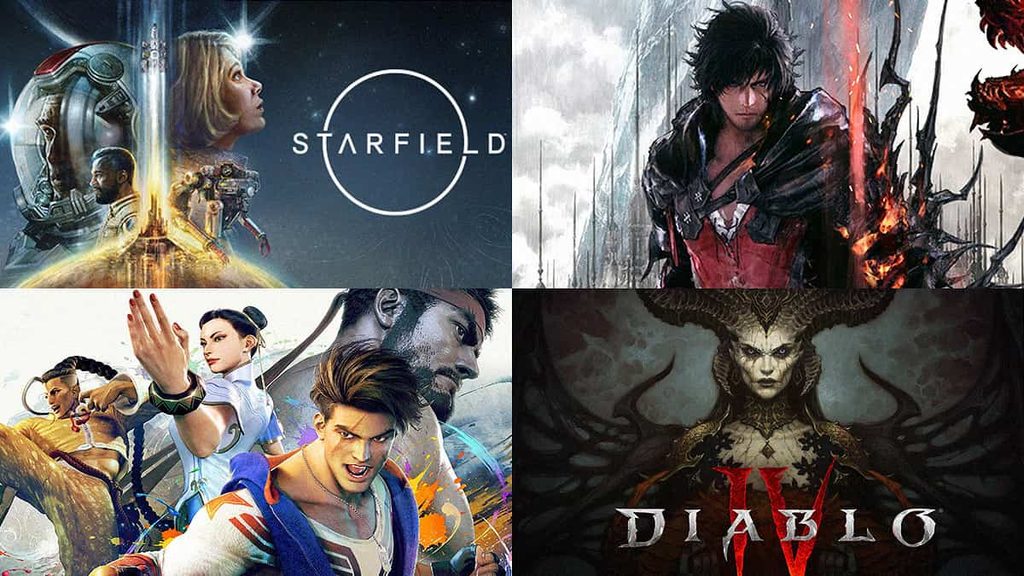
Compare marketing trailers against real gameplay footage, read previews from writers with hands on builds, and wait for full reviews from more than one blog game source before buying. Checking back after major updates can reveal a very different game than day one.
Where Coverage Actually Comes From
Here is something most articles skip: modern gaming coverage has direct roots in specialty computing and arcade press. Early titles like Play Meter and RePlay covered the coin operated industry, while magazines such as Popular Electronics and InfoWorld occasionally touched on home entertainment

. By the early 1980s, dedicated coverage split off, with Electronic Games and Computer Gaming World becoming early standard bearers, and writers like Bill Kunkel, Arnie Katz, and Joyce Worley helping define what a game review even looked like. In the United Kingdom, Computer and Video Games built a parallel tradition. The North American video game crash of 1983 wiped out a huge share of that early press almost overnight, shaping which publications carried influence for decades after.
| Content Type | Best Used For | Update Frequency |
| News | Breaking industry events | Daily |
| Review | Purchase decisions | At or after launch |
| Guide | Solving an in game problem | After major patches |
| Preview | Early interest pre launch | Once |
| Feature/Opinion | Deeper context | Occasional |
[INTERNAL LINK: best co op games to play right now → dedicated co op games roundup page]
Frequently Asked Questions About Video Game Blogs
What is a video game blog?
A regularly updated site covering game news, reviews, and guides, usually written by people who play the titles they cover.
What should a good gaming blog include?
Clear separation between news and opinion, sourced release information, and reviews based on real hands on time.
Are video game blogs useful for finding new games?
Yes, especially when you read across a few different gamer gems style recommendation lists instead of one source alone.
What is the difference between a game review and a game guide?
A review evaluates whether a game is worth playing; a guide helps you get through a part of a game you already own.
How can you tell if gaming news is reliable?
Cited sources, clearly labeled rumors, and a track record of correcting mistakes.
Should you read reviews before buying a game?
Usually yes, though waiting a week or two after launch often produces more accurate reviews once bugs surface.
Conclusion
Good video game journalism saves you time and money by telling you the truth about a game before you commit to it, not after. A trailer always shows a game at its best moment. A review or guide from a writer who actually spent hours with it gives you the real picture, bugs and pacing issues included. Pick two or three sources whose reviews have matched your own experience, follow their release coverage, and treat guides as tools rather than spoilers. Next time you’re deciding what to play, check two or three sourced reviews first, then jump in.
Recommended Articles
How Do You Jump in Minecraft? Distance, Height & Movement Guide
Roblox Simulators: 7 Best Life Sim and Roleplay Worlds to Try