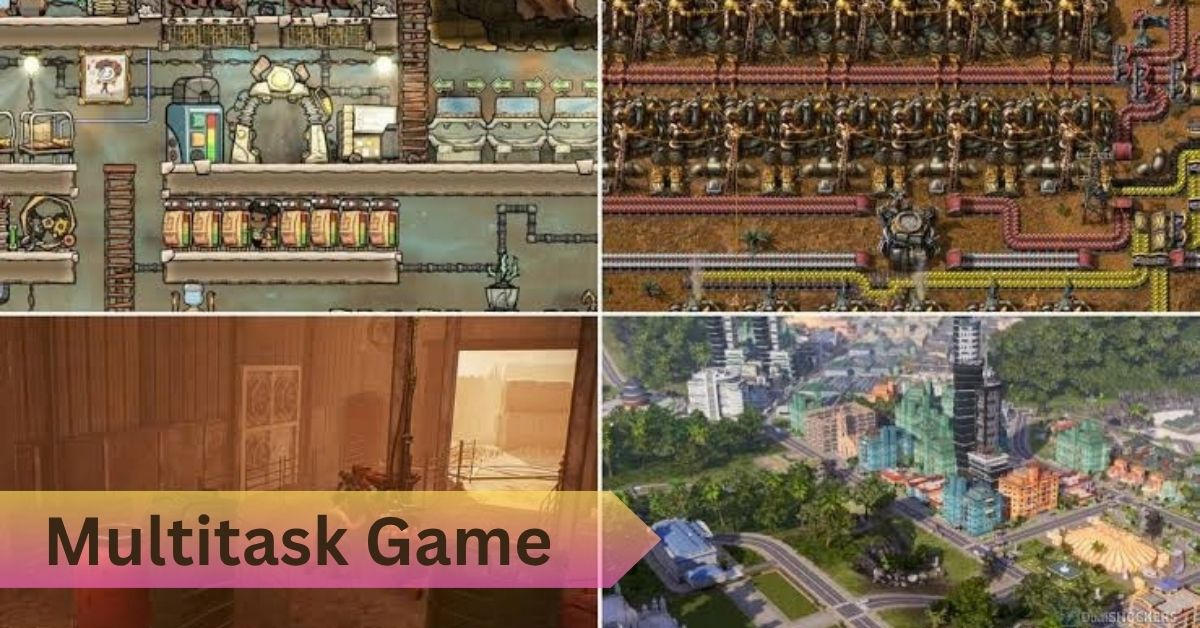
Multitask Game: Test Your Focus, Speed, and Multitasking Skills
Try to track several things at once and you will quickly find out how honest your brain really is. That is the premise of a multitask game: it strips away the polite fiction that you can give equal attention to everything on screen, and it does so in under a minute. Most players expect an easy win, then realize how thin their attention spreads once the pace picks up.
This guide covers how the game works, what it measures, how to improve your score, and where its usefulness ends. A high score feels great, but it is not a clinical measure of cognitive ability, and treating it that way is where many guides go wrong.
Quick Answer
A multitask game is a browser or app challenge that asks you to track and respond to several tasks at once, usually with simple keyboard controls. It tests divided attention, task switching, and reaction speed rather than raw intelligence. Prioritization and concentration often matter more than pure speed. A high score reflects good performance within that game’s mechanics, not a guaranteed advantage at work or school.
What Is the Multitask Game?
You are given two or more objectives running at once, and each demands input, attention, or both. One task might require holding a key, while another needs a quick tap the moment a shape changes color. Just as you get comfortable with one, the game adds another, and that is where the real test begins.
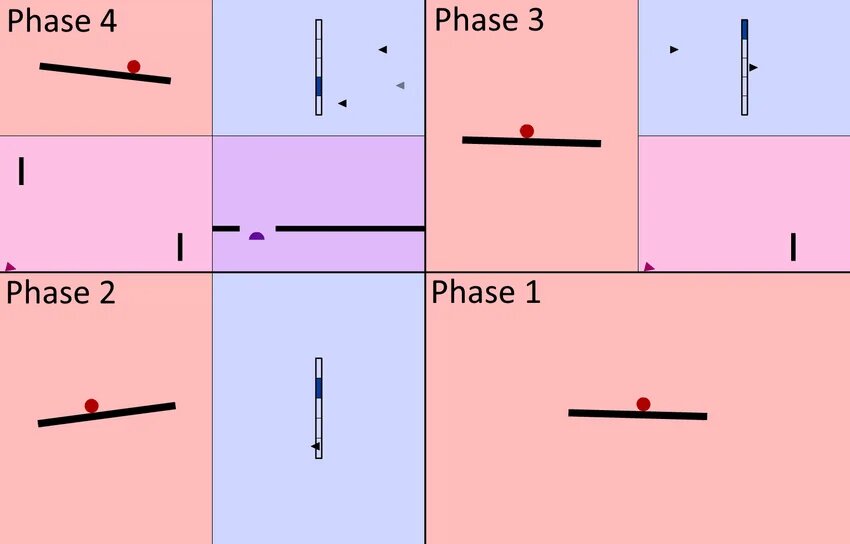
Four things make it harder than it looks. Attention is limited: your brain cannot spotlight two things with equal clarity at the same instant. Add rapid task switching, rising mental workload, and the constant need to monitor several elements, and a game that seemed trivial in the tutorial soon demands real concentration.
Anyone can play. Casual players use it to kill five minutes, students use it as a study break, and people curious about their own attention control come back to beat their previous score.
How Does the Multitask Game Work?
Most versions give you a primary task, something continuous like keeping a bar centered, while secondary tasks appear at random: a symbol to identify, or a target to click before it disappears. Ignoring the primary task, even briefly, usually costs as much as missing a secondary one.
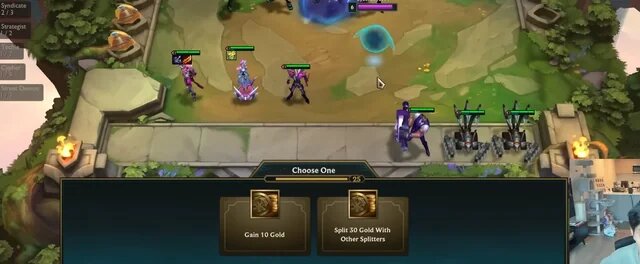
Difficulty ramps up predictably. Events fire faster, more tasks appear at once, reaction windows shrink, and you must constantly decide which demand deserves attention first.
A typical round looks like this:
- Get a feel for the basic task’s rhythm.
- Spot the additional task the moment it appears.
- Monitor both without fully committing to either.
- Respond to the highest-priority event.
- Switch attention as soon as priorities shift.
- Keep cycling, protecting accuracy, not just speed.
Mistakes cost points or progress, but the bigger effect is psychological. One miss raises the pressure on the next, creating a small snowball of panic. That pressure response is the real exercise.
What Skills Does It Test?
A multitask game is a stack of smaller cognitive skills wearing one costume.
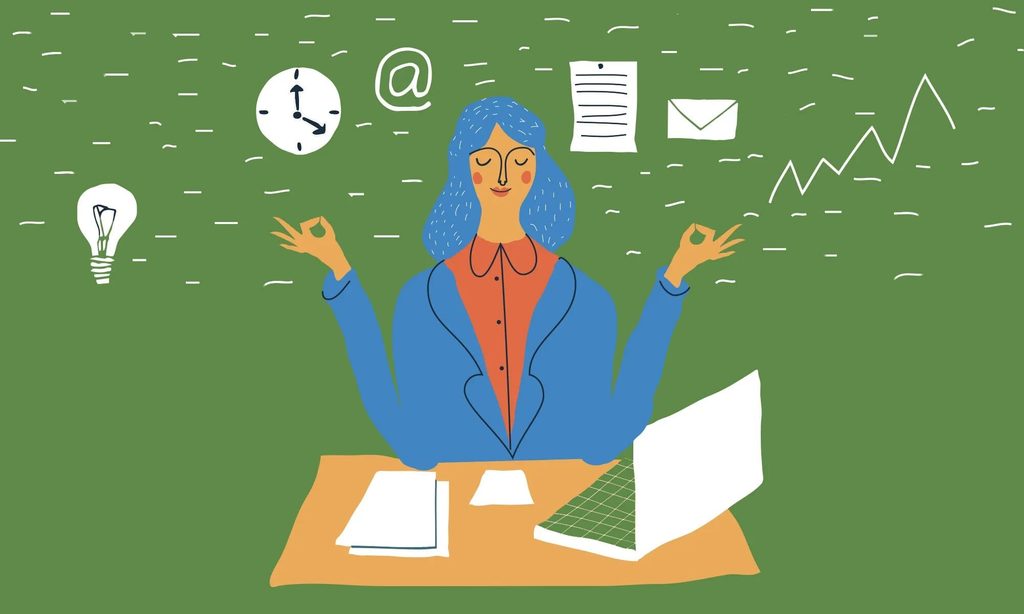
- Divided attention: monitoring several sources without dropping any. The game leans on this hardest.
- Task switching: moving attention between demands without losing your place.
- Reaction speed: a delayed response often counts the same as none.
- Working memory: holding a pending task in mind while handling another.
- Sustained concentration: whether you hold up for two minutes or collapse after twenty seconds.
- Prioritization: arguably harder than any single task, and it ties everything together.
Why Is Multitasking So Difficult?
Can your brain focus on two things at once? Not really. What feels simultaneous is almost always rapid task switching, with attention hopping back and forth fast enough to create an illusion of parallel processing.

Every switch has a cost: a flicker of mental effort, a sliver of lost time, and a slightly higher chance of error. Multiply that by dozens of switches and scores fall off a cliff past a certain speed.
Adding a third task does not add linear difficulty, it compounds it, because each decision about where to look now competes with a decision about what to ignore. And speed alone does not help. Fast but sloppy loses to steady and accurate almost every time.
How Can You Improve Your Score?
Improvement rarely comes from playing faster. It comes from playing smarter.
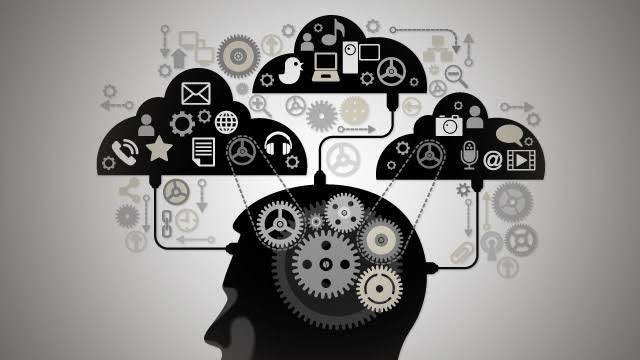
- Learn the pattern first. Watch a full round without worrying about your score and notice how tasks repeat or cluster.
- Handle predictable tasks efficiently so you free up attention for the unpredictable ones.
- Build a consistent scanning rhythm across the screen instead of jumping around in panic.
- Prioritize accuracy over speed. A reliable response is much easier to accelerate later.
- Cut distractions. Silence notifications, find a quiet space, and skip checking your phone between rounds.
- Practice in short, deliberate sessions. Ten focused minutes beats forty of half attention.
What Does Your Performance Actually Mean?
A high score suggests you performed well within that game’s mechanics, not that you have superior cognitive ability. A low score can mean unfamiliar controls, fatigue, distractions, or less experience with this style of layout.

Comparing sessions also needs caution, since devices, versions, difficulty settings, and practice effects can shift your number without any real change in mental performance.
Multitask Game vs Real-World Multitasking
The game simulates competing demands, fast attention shifts, and time pressure fairly well.
It does not capture long projects, team communication, emotional distractions, or complex decision making.
| What the game tests | What real work tests |
| Rapid reaction to sudden events | Sustained focus over hours or days |
| Simple, repeated task types | Complex, varied task types |
| Immediate feedback and scoring | Delayed feedback, often days later |
| Pure attention and reflex | Attention, judgment, and communication |
One useful bridge is a Kanban approach, which limits how many tasks you are actively working on at once. It is basically the antidote to what the game punishes: instead of juggling everything simultaneously, you cap your work in progress and finish things in sequence, which studies on workplace productivity consistently link to fewer errors and less mental fatigue.
Can Multitasking Games Improve Focus?
Brain-training games use repeated challenges, immediate feedback, and progressive difficulty, and that structure can sharpen your response to the patterns the game uses.
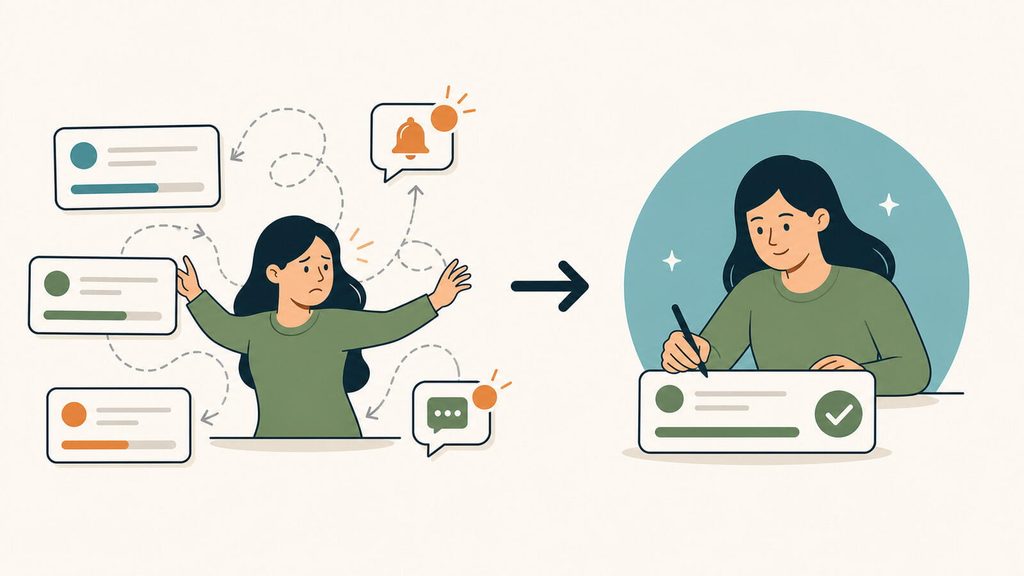
But getting better at this game mostly means your brain has adapted to its specific patterns, not that your general cognitive skills have leveled up. Avoid treating a single score as a diagnosis.
Tips for Your Next Session
Before: choose a distraction-free spot, check your controls, and learn the objective so you are not figuring out the rules mid-round.
During: stay calm, scan the screen consistently, prioritize what matters most right now, and avoid panicked movements.
After: record your result, note where the mistakes happened, and look for patterns across several attempts.
Common mistakes: rushing before your accuracy is solid, ignoring one task to chase another, changing strategy every round, playing while distracted, and assuming one result defines your abilities.
Frequently Asked Questions
How do you play the Multitask game?
You keep one continuous task running while smaller tasks pop up and demand a quick response. Controls are usually just a few keys or clicks, so the challenge is attention, not mechanics.
Is it a test of intelligence?
No. It measures how well your attention holds up under a specific kind of pressure, which is a narrow slice of cognitive ability.
Can it improve concentration?
To a degree. Short sessions with clear feedback sharpen your response to the game’s patterns, but that will not automatically improve every unrelated task.
Is a higher score better?
Within the game, yes. Outside it, a score is a personal benchmark, not a ranking of how sharp your mind is.
Can it predict workplace productivity?
Not reliably. Jobs involve long-term focus, communication, and judgment that a short reaction-based game cannot simulate.
Final Takeaway
Juggling more tasks does not automatically mean getting more done. Divided attention has real costs, and the game makes them impossible to ignore. Beyond your score, what matters is accuracy, consistency, attention control, and how well you prioritize under pressure.
So here is the challenge. Play one round naturally and see where you break down. Then play again with a deliberate strategy: a consistent scanning pattern and accuracy as your priority. The gap between those two scores will tell you more about your attention than the number itself ever could.
Recommended Articles
Gas Station Tycoon Codes: All Working Roblox Codes
Gaming Memes: The Funniest Memes Every Gamer Understands